Large Enterprise Carbon Intelligence Platform










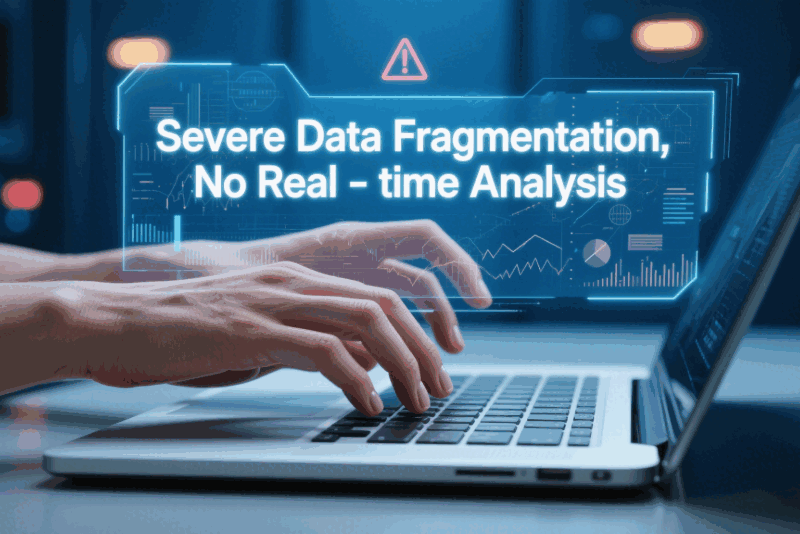
Disparate systems create data silos, impeding real-time GHG emissions analysis across supply tiers.
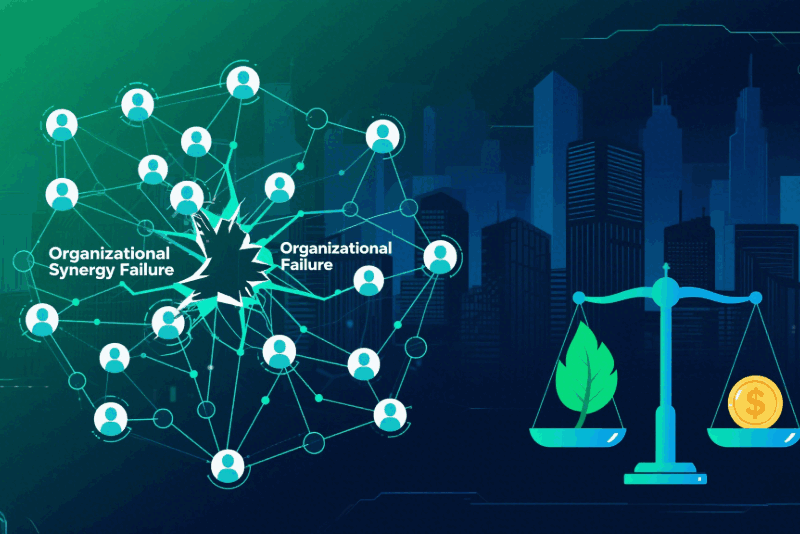
Carbon KPIs conflict with operational metrics, causing resource allocation inefficiencies.
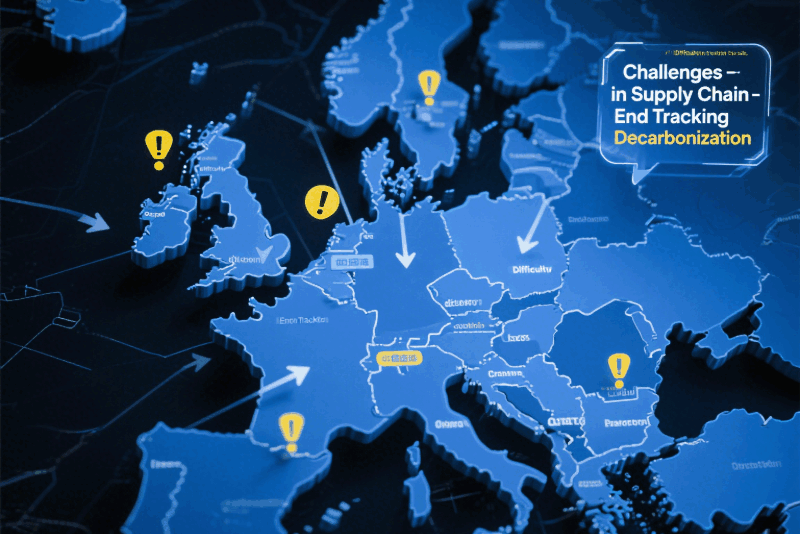
Lack of digital capability in 87% suppliers blocks end-to-end GHG Emissions tracing.

42% companies face audit risks from inconsistent GHG calculation methodologies.

Our unified SaaS tool delivers customized decarbonization strategies across global entities—powered by real-time data, automated tracking, and smart permission control to ensure high execution rates.
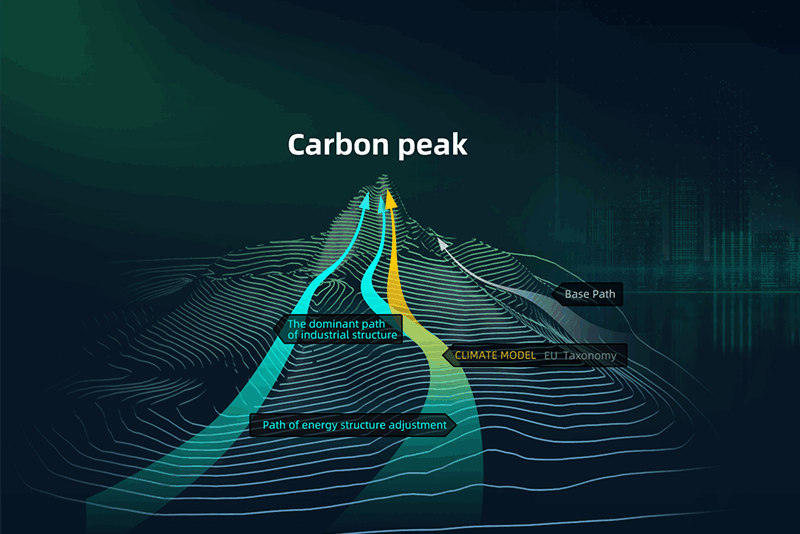
Auto-generates reports aligned with 50+ frameworksusing AI-driven data validation. Reduces manual errors by 99% and audit preparation time by 50% for global compliance.

Maps Scope 3 emissions across the supply chain, intelligently allocates carbon quotas using algorithmic models, and flags high-impact sources such as energy-intensive suppliers. Cuts GHG data collection time by up to 50%.
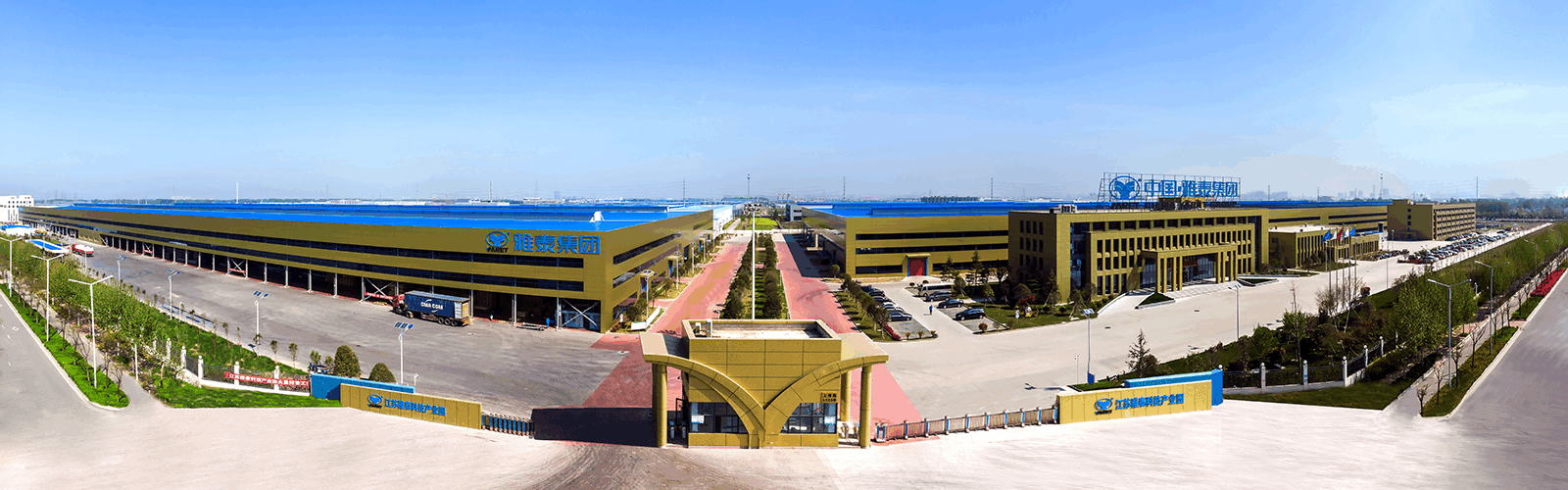
Jiangsu Yatai Technology Industrial Park Co., Ltd., a modern enterprise specializing in metal composite materials manufacturing, is situated within the Suqian Economic and Technological Development Zone. Occupying a 460-acre site, the company operates four standardized production workshops (each spanning 30,000 sqm) equipped with globally advanced manufacturing technologies.

Schneider Electric is a global electrical company headquartered in France, leading in the fields of global energy efficiency management and automation.

PMl Joinease Plastic & Metal Products (Huizhou) Co.. Ltd.s a specialized enterprise dedicated to the manufacturing and marketing of plastic cup pots, stainless steel cup pots, as well as household hardware and electronic products. The company's primary clientele includes renowned service brands such as Starbucks and McDonald's.
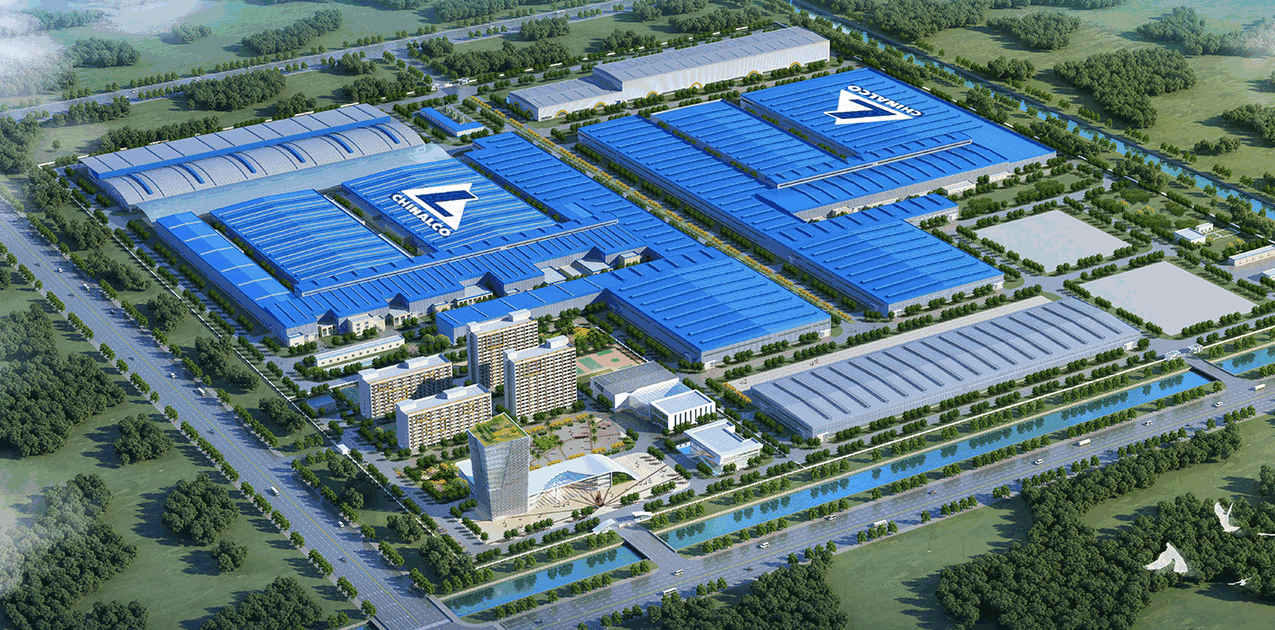
Chinalco Ruimin Co., Ltd. is a specialized enterprise in the production of lightweight aluminum materials tailored for the automotive industry, encompassing aluminum for new energy vehicles and batteries, among other applications. Additionally, the company manufactures aluminum for 5G and 3C electronic devices, as well as for metal packaging solutions.









Yes. Entities, sites and business units are modelled in an org tree with their own reporting calendars and factor libraries, then consolidated under the boundary you choose: operational control, financial control or equity share. Intercompany transactions can be eliminated so the group figure is not double counted.
Suppliers are onboarded once and reused across categories, with questionnaires, document requests and data-quality scoring in one place. Engagement can be targeted by spend or emission hotspot, suppliers are benchmarked on the same material basis, and response rates are tracked, which is usually what decides whether a Scope 3 inventory is defensible.
Role-based access follows the org tree, with separate rights for data entry, review, approval and publication. Group ESG can lock a reporting period once approved while local teams keep read access, and every change is logged with user, timestamp and reason, which satisfies most internal control frameworks.
Yes, through standard imports and API-based connectors. Activity data such as purchased quantities, production output, energy invoices and meter readings can be pulled automatically and mapped to emission factors, removing the manual re-keying that most often causes audit findings.
We start with one reporting period and one or two entities to validate mapping and factor settings, then extend to the rest. Historical data can be imported so year-on-year comparison stays intact, and both methods can run in parallel for one cycle where your auditor requires it.
Our intuitive digital tool helps you manage and verify carbon emissions, streamlining your efforts and empowering a smarter, more effective sustainability strategy.